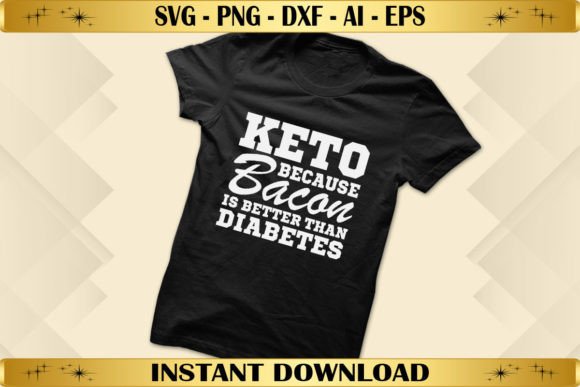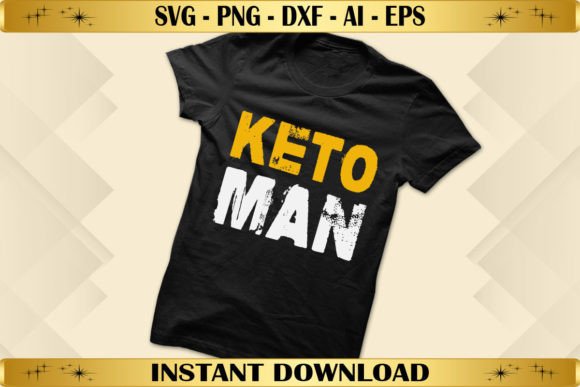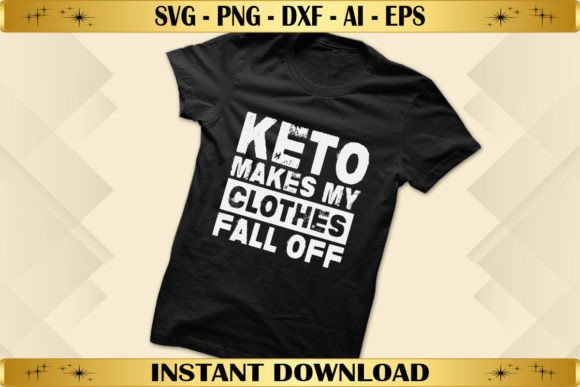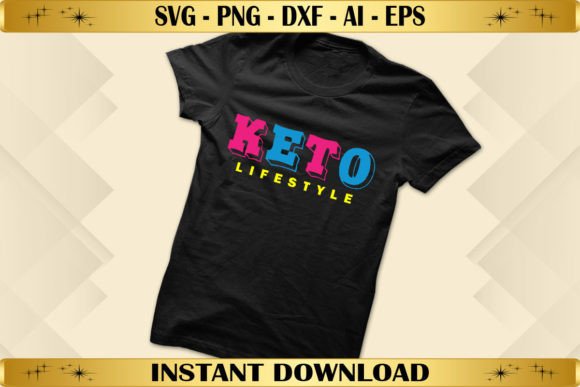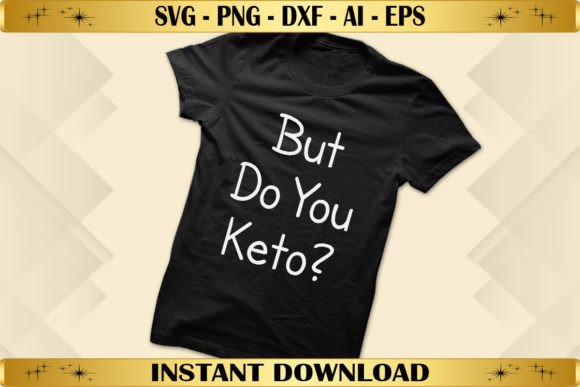
But Do You Keto
Let’s be real: I opened the But Do You Keto design folder expecting a punchy, tongue-in-cheek graphic — and that’s exactly what I got. As someone who’s stitched hundreds of text-based designs for boutique apparel, custom baby blankets, and small-batch kitchen towels, I don’t just scan files — I imagine how they’ll behave under needle and thread. So when I pulled up the SVG, PNG, AI, EPS, and DXF files, my first thought wasn’t “cute” — it was “how will this hold up on a ribbed cotton sweatshirt?” or “will the kerning survive a 3-inch hoop on a curved cap?” That’s where But Do You Keto earns its keep: not as a novelty, but as a functional, stitch-ready graphic with clear intent.
A Design That Knows Its Audience — and Its Limits
The layout is clean, centered, and intentionally uncluttered: bold, slightly rounded sans-serif lettering with tight spacing and no extra flourishes. No drop shadows, no gradients, no embedded icons — just confident, readable text. That simplicity is a gift for embroidery. I tested it mentally across several real projects: a linen tea towel for a keto-focused wellness shop, a soft organic cotton onesie for a new mom (yes, she asked for “funny but not crass”), and a black canvas tote for a local nutritionist’s pop-up booth. In each case, But Do You Keto landed as warm, approachable, and quietly clever — never forced or clinical.
It doesn’t try to be an applique design or a multi-layer satin-stitch monogram. It’s a graphics-first piece built for clarity at medium scale — think 3.5 to 5 inches wide — which makes it ideal for sweatshirt embroidery, embroidered patch backings, or pillow covers where readability matters more than intricacy.
Where It Shines (and Where It Needs Guardrails)
But Do You Keto performs exceptionally well on stable, medium-weight fabrics: brushed cotton, midweight fleece, twill, and even tightly woven linen. On a custom-embroidered apron for a keto cooking class? Perfect. On a holiday gift set — think matching toddler tee and adult sweatshirt — it reads clearly and feels cohesive. For Etsy sellers listing handmade product bundles, this design adds instant personality without demanding complex digitizing or expensive stabilizers.
But here’s the honest part: it’s not magic on every surface. On thin, stretchy jersey (like lightweight t-shirts), the letterforms can blur if stitch density isn’t adjusted — especially in the tighter curves of the “O” and “D.” And on dark fabric? The contrast works beautifully *if* you choose high-visibility thread (think bright white, pale yellow, or soft sage) — but avoid light gray or beige unless you’re stitching over a light base. I’d also steer clear of using But Do You Keto on heavily textured surfaces like bouclé or thick terry cloth without testing stitch tension and underlay first.
Caps and curved seams are another checkpoint. Because the design is horizontally oriented and relatively wide, it needs a minimum 4-inch hoop to avoid distortion on structured caps. If you’re planning a front-panel cap embroidery, consider slight horizontal compression (2–3%) during digitizing — or better yet, test it on scrap fabric with your actual cap frame before committing.
What It Does for Your Craft Business — Beyond the Stitch
As a designer reviewing this for real-world use, I pay attention to how a graphic affects perceived value. But Do You Keto elevates a basic tote bag from “generic promo item” to “thoughtful, niche-specific gift.” That subtle shift builds trust — customers recognize intentionality. It signals you understand their lifestyle, not just their shopping cart.
For small shop owners and handmade creators, that matters. A personalized gift with But Do You Keto stitched on a bamboo baby blanket carries warmth and wit — no explanation needed. It avoids inside-joke obscurity while still feeling personal. And because it’s delivered in multiple vector and raster formats (SVG, AI, EPS, DXF, PNG), it adapts smoothly whether you’re prepping for embroidery software, creating printable mockups, or building digital product previews for your Etsy listings.
Practical Designer Notes Before You Stitch
- Always test on scrap fabric first — especially if you’re pairing it with a new stabilizer or thread brand.
- Check thread color contrast against both light and dark fabric swatches — what looks crisp on screen may fade on charcoal fleece.
- Review stitch density if converting to machine embroidery — dense fill areas in letters like “B” and “K” can pucker lightweight knits.
- Confirm hoop size compatibility before loading into your embroidery machine — this design scales well, but don’t force it into a 2.5-inch hoop without adjusting proportions.
- Inspect small details in the vector files — the “o” counters and crossbars in “D” and “E” are clean, but verify they render crisply at your intended output size.
- Test in black-and-white mockups — many buyers browse your shop on mobile; ensure legibility without color cues.
- Use proper stabilizer — medium-cutaway works best for knits; tear-away is fine for stable wovens like tea towels or aprons.
- Confirm licensing terms before selling finished items or bundling the digital file — this is a T-Shirt Designs asset, but commercial use rights depend on the seller’s policy.
At its core, But Do You Keto isn’t just a phrase — it’s a quiet invitation to connect. It fits seamlessly into custom apparel, embroidered patch collections, nursery decor with a wink, and even wedding weekend merch for health-conscious couples. It’s the kind of Graphics piece that feels effortless because it was designed with purpose, not just pixels. And for embroidery designers, craft business owners, and makers who care how things *actually* stitch — not just how they look on a screen — that’s everything.