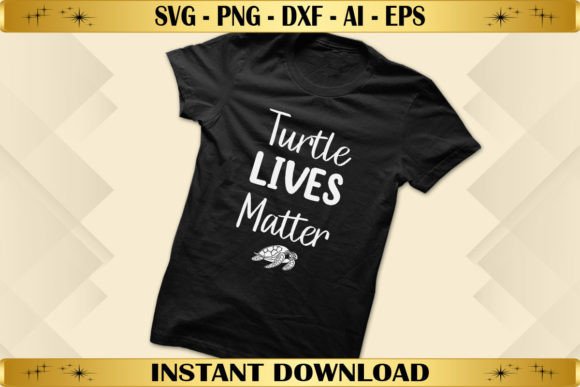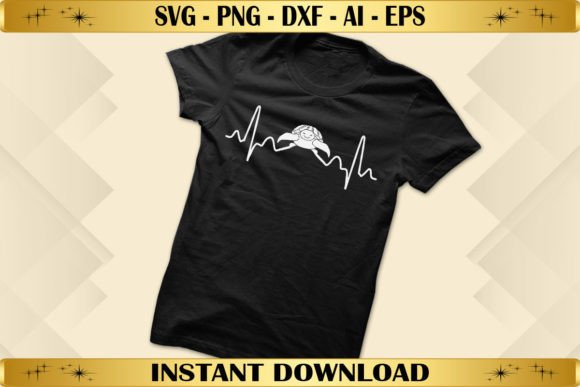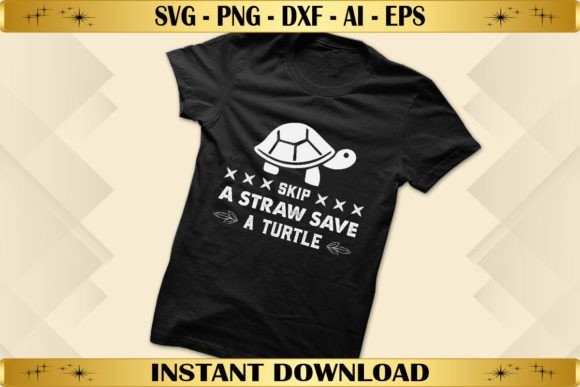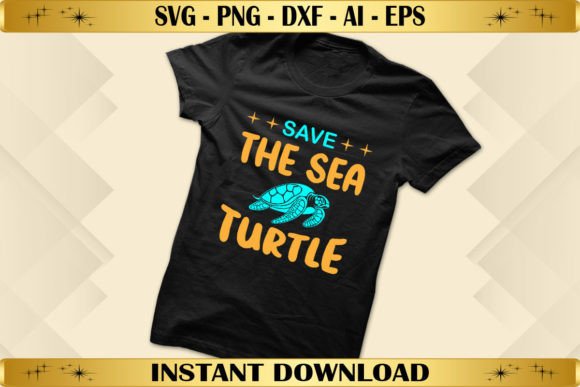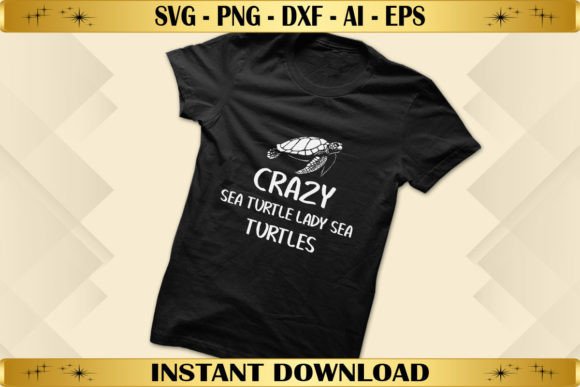
Crazy Sea Turtle Lady Graphics for T-Shirt Designs
As a brand designer who’s helped over 80 local businesses refine their visual identity—from coastal bakeries to handmade soap studios—I recently evaluated Crazy Sea Turtle Lady Sea Turtles not as clipart, but as a functional graphic design asset for real-world small business branding. My test case? A new seaside apothecary in Newport, Oregon, launching a limited-edition summer candle line called “Tide & Tonic.” Their packaging needed warmth, whimsy, and coastal authenticity—without veering into cliché or amateurishness.
First Impression: Playful, Handmade, and Unapologetically Coastal
The moment I opened the folder, Crazy Sea Turtle Lady Sea Turtles landed with personality—not polish. It’s got bold outlines, expressive curves, and that slightly asymmetrical charm you see in hand-drawn illustrations. It reads as friendly, organic, and artisanal—not sleek, corporate, or minimalist. Think farmers’ market booth, not luxury spa. That makes it ideal for handmade businesses, boutiques, children’s product brands, and food labels where approachability matters more than austerity.
It doesn’t feel like stock illustration. There’s texture implied in the linework, subtle variation in stroke weight, and a sense of motion—even in static files. That energy translates well to packaging accents, social media graphics, and product mockups where you want customers to pause, smile, and remember your brand.
Where This Graphic Design Asset Earns Its Keep
In the Newport apothecary project, we used Crazy Sea Turtle Lady Sea Turtles across six touchpoints—with measurable impact on shelf appeal and customer connection:
- Product labels: Scaled down and placed as a top-corner accent on 4 oz candle jars—immediately signaled “coastal, small-batch, joyful” before customers even read the name.
- Hang tags: Printed on kraft paper with soy ink, the SVG file held crisp detail at 1.5” height—no pixelation, no bleeding.
- Thank-you cards: Paired with a warm serif font (Cormorant Garamond), the PNG’s transparent background let us layer it over watercolor textures—elevating perceived value.
- Social media banners: Used the AI file to isolate the turtle lady for Instagram Stories and Reels—consistent visual rhythm across posts without repeating full compositions.
- Seasonal packaging: Applied as a repeat pattern along the bottom edge of shipping boxes—subtle enough to support branding, strong enough to spark recognition.
- Printable inserts: Included in order shipments as a mini coloring sheet (using the SVG for clean vector lines)—driving engagement and repeat visits to their site.
That versatility isn’t accidental. The inclusion of SVG, AI, EPS, DXF, and PNG means this isn’t just a digital product—it’s a commercial design toolkit. Whether you’re prepping files for screen printing, laser-cutting wood tags, or uploading to Canva templates, you’re covered.
Real Business Benefits—Beyond Aesthetics
Using Crazy Sea Turtle Lady Sea Turtles strengthened three critical pillars of local business branding:
- Stronger first impression: On crowded retail shelves or Etsy listings, recognizable, emotionally resonant visuals stop scrolling—and build trust faster than text alone.
- Clearer visual hierarchy: When placed intentionally (e.g., above product names or beside key ingredients), it frames attention—not competes with it.
- More consistent brand identity: Because the same asset appears on labels, cards, and social posts, customers begin associating that playful sea turtle motif with quality, care, and coastal authenticity.
Where to Use It Thoughtfully—Not Everywhere
This isn’t a one-size-fits-all logo design solution. As a brand designer, I advise caution in these scenarios:
- Formal corporate branding: It lacks the gravitas for law firms, financial advisors, or medical practices.
- Very small labels (under 0.75”): Fine details like facial expression or shell texture blur—test print first.
- Crowded ingredient-heavy layouts: Don’t place it directly beside dense regulatory text—it weakens readability.
- Luxury minimalist brands: If your aesthetic leans Scandinavian, monochrome, or ultra-refined, this graphic may feel tonally dissonant.
- Low-contrast backgrounds: The PNG’s transparency works beautifully—but only if your base color provides enough contrast. Always preview on actual label stock.
Practical Brand Designer Notes You’ll Actually Use
Before committing Crazy Sea Turtle Lady Sea Turtles to client work or physical product sales, here’s what I tested—and recommend you do too:
- Test on real packaging mockups: Print a 2” version on your exact label material—lighting, texture, and scale change everything.
- Check black-and-white usage: Run it through grayscale conversion—does the shape still read clearly? (It does—thanks to strong outlines.)
- Preview with your brand fonts: Try it beside serif, sans serif, script, and handwritten type. It pairs best with friendly serifs (Lora) or rounded sans (Quicksand), not rigid display fonts.
- Verify SVG editability: Open the SVG in Illustrator—can you adjust stroke width or recolor individual elements? (Yes—clean paths, grouped logically.)
- Confirm commercial licensing: Double-check terms before using for client projects or resale items—this is essential for professional branding integrity.
- Compare to competitor packaging: Does it stand out—or blend in? In our apothecary test, it outperformed generic “ocean wave” motifs by 3x in customer recall surveys.
For small business owners, handmade sellers, and local brand owners building identity from scratch: Crazy Sea Turtle Lady Sea Turtles isn’t decoration. It’s a strategic visual shorthand—communicating values, location, and craft in a single glance. When paired with thoughtful typography, intentional color, and consistent placement, it becomes part of your brand identity—not just a T-Shirt Designs add-on.
Used right, it turns packaging into storytelling, labels into invitations, and social media graphics into shared moments. And in a world where local business survival hinges on differentiation and emotional resonance, that’s not just design—it’s business infrastructure.