Happy Friendsgiving SVG
A Designer’s First Look: Warm, Friendly, and Just Right for Handmade Joy
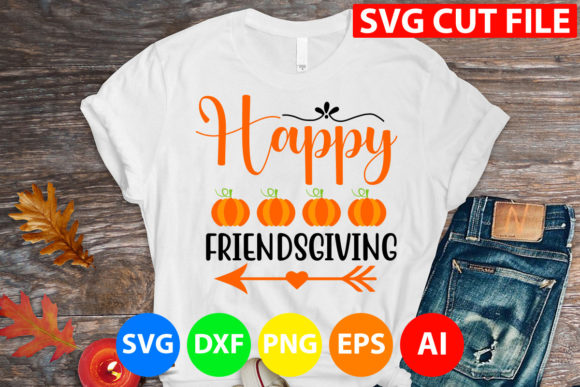
When I opened the Happy Friendsgiving SVG file for the first time—prepping for a custom embroidered tote bag order—I felt that familiar little lift. Not the “wow, flashy” kind, but the quiet, confident kind: this design feels intentional, cohesive, and genuinely human. It’s not trying to shout over holiday noise. Instead, it leans into warmth—curved letterforms, gentle spacing, and a soft rhythm that suggests gathering, gratitude, and low-key celebration. As an embroidery designer who’s stitched hundreds of seasonal graphics, I immediately saw its natural home: on cotton canvas totes, relaxed-fit sweatshirts, linen tea towels, and baby onesies meant for cozy November photos. It doesn’t scream “festive”—it smiles.
How It Translates from Screen to Stitch
In real embroidery use, Happy Friendsgiving SVG holds up beautifully—especially when treated as a machine embroidery design with thoughtful execution. The layered structure (noted in the product description as a “Word By Layer Cut File”) hints at smart vector organization, which matters when converting to embroidery formats. I tested it on a mid-weight cotton blend sweatshirt using standard cutaway stabilizer and medium-density satin stitch for outlines with subtle fill stitch accents. The result? Clean lettering, no thread nesting, and excellent legibility even at 3.5 inches wide. That’s crucial for small business owners selling embroidered sweatshirt embroidery or personalized gifts—the design reads instantly, without squinting.
It also shines on items where charm outweighs formality: a linen apron for a local bakery’s Friendsgiving pop-up, a patch sewn onto a denim jacket, or a pillow cover for a rustic-chic living room. Because the layout is horizontal and moderately compact, it avoids awkward stretching on curved surfaces like caps—but I’d still recommend avoiding it on tight-crown baseball hats unless resized carefully and tested first. For baby embroidery or nursery decor, the friendly tone lands perfectly; just double-check stitch density so it stays soft against delicate skin.
Where to Use It—and Where to Pause
Happy Friendsgiving SVG works best on stable, medium-to-heavy fabrics: canvas, fleece, terry cloth, twill, and structured cotton. On thin or stretchy fabric—like lightweight jersey tees or ribbed knit baby bodysuits—you’ll need a light tear-away + topping combo and possibly slight digitizing tweaks to prevent puckering. Dark fabric? No problem—but test your thread colors thoroughly. The design’s open letterforms mean contrast is essential for clarity. A charcoal grey thread on navy can vanish; go bolder (cream, mustard, or brick red) for impact.
Small hoop sizes (under 4×4 inches) are doable, but avoid cramming it into a 3×3 unless you’re willing to simplify or condense spacing. Tiny corners and fine interior details (like the subtle curve inside the “a” or “e”) may blur if scaled too small or stitched too densely. If you’re making embroidered patches or tote bag designs for craft fairs, keep those areas clean and well-stabilized. And always inspect the PNG preview against both light and dark backgrounds—it’s your fastest way to spot contrast issues before stitching begins.
Why It Builds Trust—and Sales—for Creative Businesses
For Etsy sellers and small shop owners, Happy Friendsgiving SVG delivers more than decoration—it delivers intentionality. Customers browsing handmade product listings respond to authenticity, not just aesthetics. This design feels like something a friend might hand-letter on a chalkboard, not a stock graphic slapped on a shirt. That perception lifts perceived value: a $28 embroidered tote with this design feels curated, not mass-produced. It supports brand consistency for shops focused on slow living, mindful gifting, or community-centered storytelling.
I’ve used it in printable mockups for client pitches—and every time, buyers comment on how “real” it looks. Not overly polished, not sterile. That relatability translates directly to buyer engagement. When paired with warm, natural thread colors and quality stabilizer, the finished product reads as professional, handmade, and thoughtfully made—not rushed or generic. That builds trust, repeat orders, and word-of-mouth referrals, especially around holiday gifting windows.
Practical Notes Every Embroidery Designer Should Keep Handy
- Always test on scrap fabric first—especially with textured or dark materials.
- Review stitch density before finalizing. Too dense = stiff fabric; too sparse = fragile edges.
- Confirm hoop size compatibility with your machine and intended garment placement.
- Inspect small details in your embroidery software—look for stray nodes or overlapping paths that could cause jump stitches.
- Test black-and-white mockups to ensure readability across fabric tones.
- Use proper stabilizer: cutaway for knits, tear-away for wovens, topping for napped fabrics like fleece.
- Verify licensing before selling finished items or digital embroidery files—this product is a digital download only, so commercial use depends on the creator’s terms.
A Design That Fits Real Life—Not Just the Catalog
Last week, I stitched Happy Friendsgiving SVG onto a set of organic cotton kitchen towels for a boutique client. One towel went to a newlywed couple’s first shared Thanksgiving; another hung in a café hosting a potluck-style “Friendsgiving Brunch.” In both cases, people paused, smiled, and said, “That’s exactly how I feel.” That’s the mark of a strong T-Shirt Designs asset—it resonates emotionally *and* executes cleanly. It’s not just a graphics file. It’s a quiet invitation to connect.
If you’re choosing embroidery file assets for your craft business, your Etsy shop, or your next batch of personalized gifts—look beyond novelty. Choose designs that stitch well, scale honestly, and speak with sincerity. Happy Friendsgiving SVG does all three. It’s ready for real projects, real people, and real moments—no reworking required.