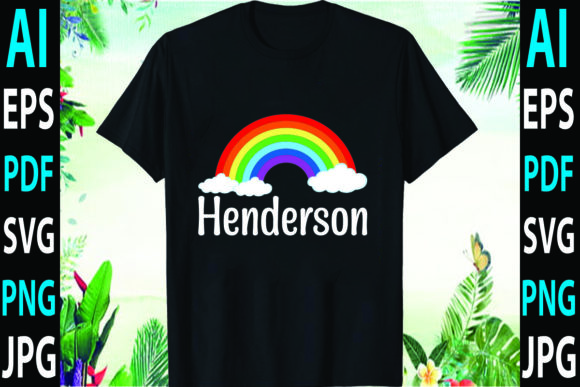
Henderson: Graphics & T-Shirt Designs for Local Branding
First Impression: Warm, Handcrafted, and Community-Focused
Opening the Henderson .zip file, I immediately sense a grounded, approachable energy — not flashy or trend-chasing, but quietly confident. The lines are clean yet slightly organic; the composition feels intentional but never rigid. It leans into warmth and authenticity — think local bakery chalkboard art meets handmade soap label elegance. Henderson doesn’t scream “luxury” in a minimalist sense, nor does it lean into loud festival energy. Instead, it suggests sincerity, care, and human-scale craftsmanship. That makes it ideal for small business branding where emotional resonance matters more than corporate polish: coffee roasters naming beans after neighborhood streets, florists curating seasonal bouquets, candle makers using locally sourced wax, or boutiques highlighting artisan collaborations.
Where Henderson Adds Real Value in Local Business Design
This graphic design asset shines brightest when supporting tangible brand touchpoints — not just digital decoration, but physical presence. In packaging design, Henderson works beautifully as a secondary brand element: centered on a kraft paper soap box, repeated as a subtle border on tea bag labels, or scaled large as a hero graphic on a bakery’s seasonal pastry box. It translates effortlessly into product mockups — especially for Instagram posts showing new candle launches or holiday gift sets. As a printable design, it elevates thank-you cards tucked into online orders, hang tags on handmade jewelry, or even as decorative accents on price lists at farmers’ market booths.
For social media graphics, Henderson adds cohesion without overwhelming. Used consistently across carousel posts — say, behind a handwritten caption about sourcing local honey or explaining a new ceramic mug collection — it builds visual hierarchy and reinforces brand identity. On website banners or email headers, it provides texture and warmth that pure typography can’t match. And because it’s delivered as both PNG and likely SVG (always verify), it scales cleanly from a tiny sticker on a jam jar to a full-width banner for a pop-up shop window display.
What Henderson Delivers for Customer Trust & Shelf Appeal
Small business branding lives or dies by perceived authenticity — and Henderson supports that instinctively. Its balanced weight, thoughtful spacing, and gentle rhythm signal attention to detail. When placed beside hand-lettered copy or paired with natural textures like linen or uncoated paper, it strengthens first impression and product recognition. Customers scanning a crowded boutique shelf or scrolling through a local food delivery app subconsciously register consistency and care — cues that directly improve customer trust and willingness to pay a premium.
It also helps unify disparate marketing visuals. A single Henderson motif used across menu graphics, flyers for weekend workshops, business cards, and Instagram story highlights creates continuity no generic Canva template can replicate. That consistency is what turns casual buyers into repeat customers — especially in hyperlocal markets where word-of-mouth and visual recall drive growth.
Best Uses: Where Henderson Excels
- Product labels and packaging accents for handmade goods, food products, and home goods
- Hero graphics for seasonal campaigns — think “Spring Bloom,” “Harvest Market,” or “Holiday Gatherings”
- Decorative brand elements on thank-you cards, stickers, and printable inserts
- Social media campaign graphics and cohesive post series for local events or product drops
- Boutique visuals: window decals, tote bag prints, and in-store signage
- Product mockups for Etsy, Shopify, or local vendor directories
Cautions: Where to Use Henderson Thoughtfully
Henderson isn’t a one-size-fits-all solution. Avoid placing it over busy backgrounds or low-contrast surfaces — its strength lies in clarity, not camouflage. It shouldn’t dominate ingredient-heavy layouts (like nutrition panels or allergen statements) or compete with essential legal text on packaging. For luxury minimalist brands — say, a high-end skincare line built on stark white space and ultra-thin fonts — Henderson may feel too expressive. Likewise, don’t force it onto very small labels (<1.5" width) without testing legibility; fine details can blur in print or shrink in digital thumbnails.
Practical Brand Designer Notes Before You Implement
Before locking Henderson into your client’s brand system, run these checks:
- Test on real packaging mockups — print a 3" version on actual label stock to assess color fidelity and edge sharpness.
- Check black-and-white usage — will it retain impact if printed monochrome on brown paper bags or recycled tags?
- Preview at scale — zoom out to 25% to simulate how it reads on mobile feeds or distant shelf displays.
- Test with your brand palette — layer it over your primary and secondary colors to confirm contrast and harmony.
- Compare against competitors — does it stand out meaningfully on a local retail shelf or Instagram grid?
- Verify print quality — inspect vector paths in Illustrator or check PNG transparency edges for fringing.
- Font pairing test — try Henderson beside serif (e.g., Playfair Display), sans serif (e.g., Montserrat), script (e.g., Pacifico), and handwritten fonts to see where it feels most authentic.
- Confirm commercial licensing — ensure your use case (client work, physical product sales, wholesale packaging) is explicitly covered — this is non-negotiable for professional branding.
Final Thought: A Tool for Human-Scale Branding
Henderson isn’t just another clipart download. It’s a well-considered graphic design asset that bridges the gap between editorial design and small business practicality. When applied with intention — in packaging design, local business storytelling, or community-focused marketing visuals — it becomes part of something larger: a visual language that says, “We made this, for you, right here.” That’s the quiet power of thoughtful T-Shirt Designs and Graphics in the hands of a brand designer who understands that real connection starts with what people see, hold, and remember.