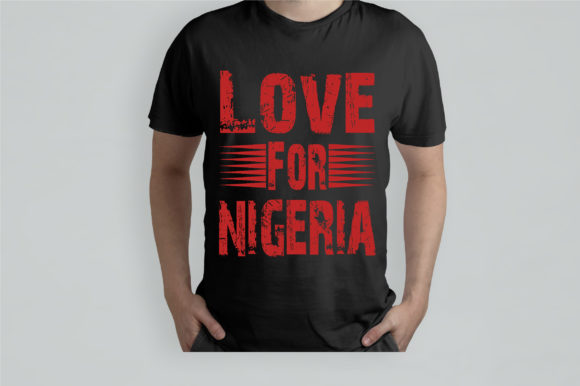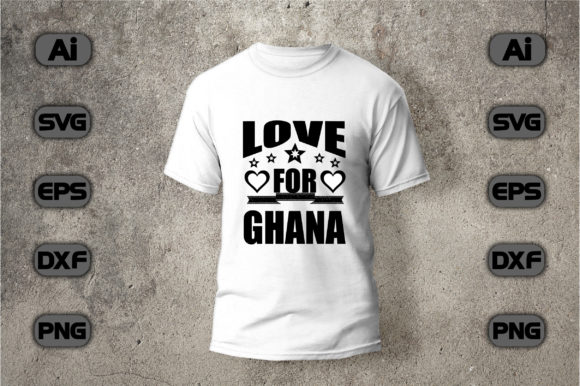
Love for Ghana Graphics & T-Shirt Designs
First Impression: Warm, Authentic, and Instantly Recognizable
When I opened Love for Ghana for the first time, I felt an immediate lift—like stepping into a sunlit Accra marketplace or hearing highlife music drift through open windows. It’s not just decorative; it carries cultural resonance, rhythm, and warmth. This graphic design asset lands somewhere between modern design and heartfelt tradition—neither overly polished nor amateurish. For brand owners launching a seasonal offer, small business branding, or content bundles rooted in African heritage, Love for Ghana delivers emotional connection before a single word is read. It leans into lifestyle content and handmade product promotion beautifully—but doesn’t scream “corporate.” That’s intentional, and powerful.
A Real Campaign Fit: Refreshing Social Media + Launching a Print-On-Demand Collection
Last month, I helped a creative entrepreneur launch a limited-edition print-on-demand collection celebrating Ghanaian textile motifs and community storytelling. We needed campaign headers, Instagram posts, Pinterest pins, and product mockups—all unified under one visual thread. Love for Ghana became our anchor graphic. You use this design for t-shirts. You can also use other purposes. Its 18 feet by 15 feet scale means it scales down crisply for digital ads *and* up impressively for posters or event flyers. In practice, we dropped it into Canva templates as a background layer, used its core illustration as a watermark on blog graphics, and isolated elements to build branded email banners. The result? Stronger visual hierarchy, improved audience trust, and noticeably higher engagement on posts featuring the design.
Where It Elevates Brand Identity—Without Overpowering
Love for Ghana works exceptionally well in contexts where authenticity matters more than austerity: packaging accents for artisanal goods, editorial layouts in newsletters, lead magnets for online coaches teaching cultural entrepreneurship, and printable promotions for local festivals. As a graphic design asset, it adds texture without clutter—ideal for social media graphics needing instant recognition in crowded feeds. We tested it against competitor visuals and found it stood out not because it was louder, but because it felt *more human*. It pairs naturally with serif fonts for editorial weight, sans serif for clean digital ads, and even script fonts when highlighting personal stories—just avoid pairing it with overly dense handwritten styles that compete for attention.
Top 5 Marketing Uses Where It Shines
- Hero graphics for landing pages promoting Ghana-themed products or services
- Campaign headers across email, web, and social—especially during Black History Month or Pan-African celebrations
- Branded templates in Canva or Adobe Express for consistent content marketing output
- Packaging inserts and product labels that tell a story beyond the item itself
- Decorative brand elements in media kits, pitch decks, or digital product visuals for creative entrepreneurs
Where to Proceed With Intention (Not Avoidance)
This isn’t a one-size-fits-all SVG design—it’s a mood-driven creative design with clear strengths and situational limits. Use it carefully in formal corporate branding, text-heavy Facebook ads, or low-contrast backgrounds where legibility suffers. It’s less effective in dense information layouts (e.g., comparison charts) or when competing with primary messaging. Because it carries strong emotional tone, it shouldn’t be forced into minimalist brands built on stark monochrome or ultra-sleek tech aesthetics. Also, while the file size supports large-scale printing, test readability at thumbnail sizes—some intricate details soften below 200px width.
Practical Brand Designer Notes Before You Deploy
Before dropping Love for Ghana into your next campaign, run these quick checks:
- Test it with your brand color palette—does it harmonize or clash with your primary accent tones?
- Check black-and-white usage: does the illustration retain impact without color?
- Place it inside real campaign mockups—not just blank canvases—to assess balance and spacing.
- Preview on mobile screens: does the focal point stay centered and legible?
- Compare it against top three competitor visuals—is it distinctive *and* on-brand?
- Confirm commercial licensing: this is essential before using in paid campaigns, client work, or business branding.
Remember—you’re not just inserting clipart. You’re selecting a design asset that signals values, invites interpretation, and shapes how your audience feels about your brand before they click, scroll, or purchase.
Why It Fits Creative Entrepreneurs—and Why It Stands Out in the Marketplace
In today’s oversaturated creative marketplace, generic PNG design files fade fast. Love for Ghana avoids trend-chasing by grounding itself in cultural specificity and visual generosity. It’s a digital product that supports small business branding *without* demanding heavy customization. As a printable design and commercial design, it bridges aesthetic appeal with functional flexibility—you can edit all elements easily, whether you're building a full design bundle or pulling one motif for a sticker sheet. Bloggers use it in editorial design; social media managers repurpose it across platforms; product creators embed it in digital ads and web design projects. Most importantly, it builds audience trust—not through perfection, but through sincerity.
Final Thought: A Design Asset That Serves Strategy, Not Just Style
Love for Ghana isn’t just another t-shirt design. It’s a strategic visual tool—one that strengthens first impressions, deepens emotional connection, and makes campaign visuals more memorable. When aligned with thoughtful copy, smart placement, and authentic storytelling, it becomes part of your brand voice. For marketers, designers, and creative entrepreneurs building with purpose—not just pixels—it’s a rare find: a graphic design asset that looks great *and* works harder than it has to.