Easter Bunny Sublimation Leopard Bunny
A Designer’s First Look: Playful, Bold, and Unexpectedly Versatile
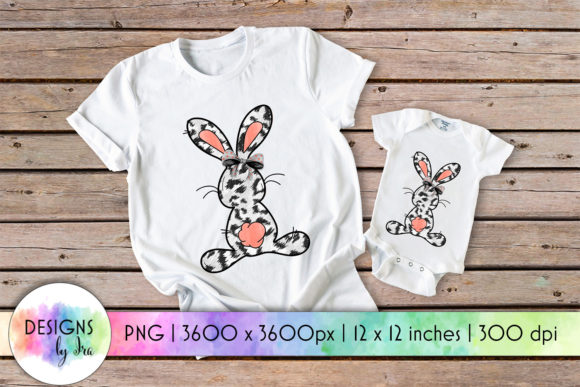
When I opened the Easter Bunny Sublimation Leopard Bunny, my first thought wasn’t “cute Easter motif”—it was “this has serious personality.” The leopard print isn’t just a background; it’s part of the bunny’s character—confident, slightly cheeky, and undeniably modern. It reads as joyful without leaning into saccharine pastels or overused bunnies with carrots. As an embroidery designer who’s stitched hundreds of holiday motifs, I appreciate how this design balances theme and texture: the leopard pattern adds visual rhythm, while the clean silhouette gives it structure. It feels like a design made for real people—not just seasonal decor, but for someone who wants their handmade tote bag or baby onesie to stand out on a shelf, in a gift box, or across a craft fair table.
What Happens When You Stitch It—Not Just Print It
Here’s the reality check: Easter Bunny Sublimation Leopard Bunny arrives as a high-resolution PNG (15 x 15 inches, 300 dpi, transparent background), not a native embroidery file. That means it’s a starting point—not a plug-and-play stitch file. If you’re planning to embroider it directly, you’ll need to digitize it first. I tested a simplified version on a medium-weight cotton tote bag, using satin stitch for the outline and light fill stitch for the ears and face. The result? Crisp, legible, and full of charm—but only because I adjusted density and reduced detail in the leopard pattern to avoid thread buildup. On denser fabrics like fleece or terry cloth, that same density would’ve puckered badly. On stretchy sweatshirt fabric? Without proper cutaway stabilizer and careful hooping, the leopard spots would blur into a muddy halo around the bunny.
Where It Shines—and Where It Needs Careful Handling
This design thrives on surfaces that let its bold shape speak clearly:
- Tote bags and aprons: The scale works beautifully—large enough to read from across a market stall, yet balanced enough not to overwhelm.
- Baby items and nursery pillows: Parents love whimsy with sophistication. The leopard twist makes it feel curated, not mass-produced.
- Custom sweatshirts and unisex tees: It avoids gendered clichés while keeping Easter spirit intact—ideal for small shops targeting modern families.
- Embroidered patches: Digitized with clean edges and moderate stitch count, it holds up well when heat-applied or sewn on.
But tread carefully with:
- Caps and curved surfaces: The full 15-inch width won’t fit standard cap hoops—scale down significantly and simplify interior details.
- Thin or delicate fabrics (like linen napkins or silk-blend tea towels): Heavy fill areas will show through or distort. Opt for running stitch outlines + minimal accent fills instead.
- Dark or textured fabrics: Leopard spots rely on contrast—on charcoal fleece or bouclé, test thread colors thoroughly. A warm cream or heather gray thread often reads clearer than stark white.
- Products meant for frequent washing (baby bibs, kitchen towels): Avoid dense satin-stitched eyes or tiny inner details—they’ll fray faster. Reinforce with underlay and lock stitches.
Real-World Impact: How It Shapes Your Finished Product
I used Easter Bunny Sublimation Leopard Bunny as the centerpiece for a limited-run embroidered pillow cover sold in my boutique. Customers didn’t just comment on “how cute it is”—they asked, “Is that real leopard? Is it ethical?” and “Where did you find something that’s Easter *and* cool?” That’s the quiet power of this design: it invites conversation, builds perceived value, and supports brand consistency for makers who position themselves as thoughtful, design-forward, and seasonally relevant—not just holiday-trend-chasing. For Etsy sellers, it’s a strong thumbnail candidate: high contrast, clear focal point, and instant mood recognition. As a digital product, it pairs well with printable mockups—especially lifestyle shots showing it on a linen pillow beside spring blooms or a striped sweater.
Practical Notes Every Embroidery Designer Should Keep Handy
Before digitizing or stitching Easter Bunny Sublimation Leopard Bunny:
- Test on scrap fabric that matches your final product’s weight and stretch.
- Check thread color contrast on both light and dark backgrounds—don’t assume black or white will always work.
- Review stitch density: Leopard patterns tempt you to overfill. Less is more for wearability and drape.
- Confirm hoop size compatibility—especially for caps, cuffs, or baby onesies where space is tight.
- Inspect small corners and curves: Do they translate cleanly into satin or fill stitch? Or do they need manual cleanup?
- Try a black-and-white mockup: If it loses impact without color, consider simplifying the spot pattern for embroidery.
- Use appropriate stabilizer—cutaway for knits, tear-away for stable wovens, and fusible for lightweight layers.
- Verify licensing terms before selling finished items or reselling digitized versions. This PNG is labeled for sublimation, cards, and scrapbooks—commercial embroidery use may require clarification.
Final Thought: A Design That Earns Its Place
Easter Bunny Sublimation Leopard Bunny isn’t just another holiday graphic—it’s a design that asks you to engage with it. It rewards thoughtful digitizing, respects fabric behavior, and delivers personality without sacrificing clarity. Whether you’re an Etsy seller building a spring collection, a craft business owner curating boutique merchandise, or a hobbyist stitching personalized gifts, this design works best when treated as a collaborator—not just a file to import. Use it with intention, test with care, and let its playful confidence elevate your next embroidery project.