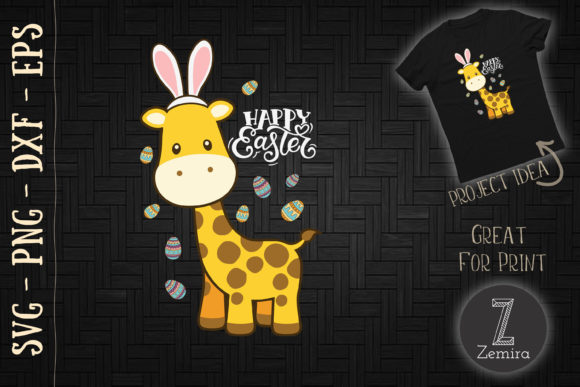
Easter Giraffe Bunny Ears Easter
A Playful Twist That Works—If You Know Where to Place It
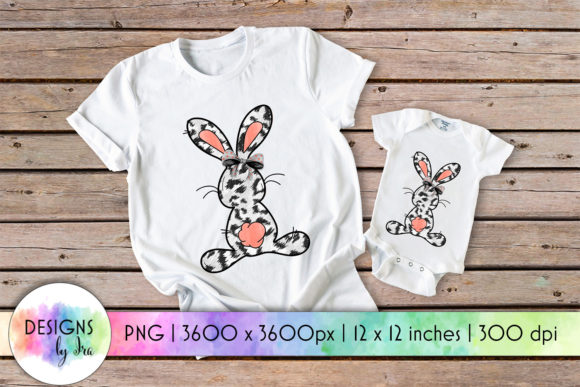
As someone who’s stitched hundreds of holiday designs for boutique clients, Etsy shops, and custom apparel brands, my first impression of Easter Giraffe Bunny Ears Easter wasn’t “cute”—it was “strategic.” The fusion of giraffe spots and bunny ears is unexpected but cohesive: soft curves, gentle proportions, and a lighthearted silhouette that avoids cartoonish overload. It reads as friendly, not frantic—perfect for baby onesies, linen tea towels, or minimalist sweatshirts where charm matters more than clutter.
How It Lands in Real Embroidery Projects
Last week, I prepped a small-batch run of organic cotton tote bags for a local nursery boutique. We needed something springy but not saccharine—no bunnies holding eggs, no pastel explosions. Easter Giraffe Bunny Ears Easter landed cleanly on the lower left corner of each bag, sized at 3.2 inches wide. With light tear-away stabilizer and 40-weight poly thread, the satin-stitched ears held crisp definition, while the giraffe’s neck and face used balanced fill stitch density—not too dense to pucker thin fabric, not too sparse to lose shape after washing.
It also translated well onto a lightweight cotton apron for a bakery’s Easter pop-up. Because the design avoids fine interior lines or micro-details (no tiny eyelashes, no whisker outlines), it stitched reliably across varying fabric tensions. That’s critical when you’re juggling multiple garment types in one production round—and it’s why this design fits seamlessly into a craft business workflow.
Where It Shines—and Where to Pause
Easter Giraffe Bunny Ears Easter excels on stable, medium-weight fabrics: brushed cotton, midweight denim, terry cloth towels, and structured twill caps. On those surfaces, its clean outline and moderate detail level hold up beautifully—even after three rounds of home laundering.
But here’s where attention matters:
- Stretchy fabrics (like jersey knits or ribbed baby bodysuits): Use cut-away stabilizer underneath and reduce top tension slightly—those rounded ears can distort if the base fabric shifts mid-stitch.
- Dark or textured backgrounds (black canvas totes, linen napkins with slubs): Test thread color contrast first. A pale yellow or cream thread may disappear; a warm tan or soft terracotta pops without screaming.
- Curved surfaces (like the front panel of a dad cap): Hoop carefully—the neck curve sits nicely near the center, but avoid placing the ears too close to the bill’s edge where stitching compression can blur definition.
- Tiny hoop sizes (under 4”): This design scales down gracefully to ~2.5”, but don’t push below 2”. The ear tips and spot placement begin to merge visually, weakening the giraffe-bunny duality that makes it distinctive.
What It Adds to Your Handmade Product—and What It Doesn’t Promise
This isn’t a “wow-and-wait-for-the-likes” design—it’s a quiet confidence-builder. When customers see it on a personalized baby blanket or a linen pillow cover, they register warmth, thoughtfulness, and subtle wit. That builds trust faster than generic florals or overused bunnies.
It elevates perceived value without demanding premium pricing. A $28 embroidered kitchen towel feels intentional—not mass-produced—because Easter Giraffe Bunny Ears Easter balances novelty with wearability. It doesn’t shout “EASTER!”; it whispers “springtime, softly.” That nuance matters for year-round shops that rotate seasonal items without alienating repeat buyers.
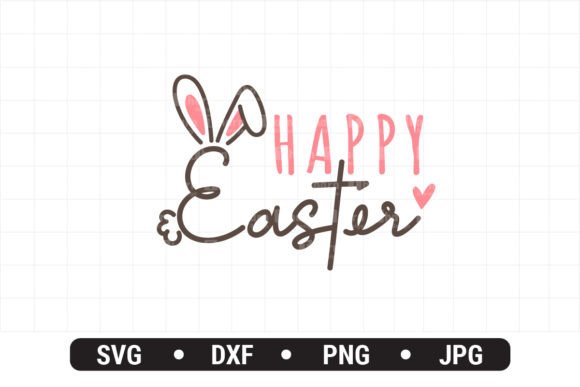
That said, it won’t carry complex branding alone. Paired with a simple monogram or a short phrase (“Hop Along,” “Little Spots”), it becomes stronger—but as a standalone graphic for T-Shirt Designs or Graphics collections, it holds its own in digital previews and printable mockups. Its vector-friendly structure (SVG/DXF) means crisp scaling for both embroidery digitizing and screen-printed versions—useful if you expand into hybrid product lines.
Practical Designer Notes Before You Stitch
Before committing to a full run—or listing it in your Etsy shop—run these checks:
- Test on scrap fabric matching your final substrate: same weight, same stretch, same dye lot if possible.
- Review stitch density visually in your embroidery software—look for overlapping satin columns or overly tight fill areas near the ears’ base.
- Confirm hoop size compatibility with your machine’s standard hoops. If you’re using a 5x7” frame, verify the design fits comfortably with ¼” margin clearance.
- Inspect small details at 200% zoom: Are the spots distinct? Do the ears taper cleanly? Any stray nodes or anchor points?
- Mock it up in black and white first—this reveals contrast issues before thread is loaded.
- Use proper stabilizer: Light tear-away for stable wovens, cut-away for knits or high-loft fabrics like fleece.
- Verify licensing—since this is distributed as a digital embroidery file, confirm whether commercial use (e.g., selling finished embroidered patches or apparel) is permitted under its terms.
Final Thought: A Design That Serves the Maker First
Easter Giraffe Bunny Ears Easter doesn’t try to be everything. It’s not hyper-detailed enough for heirloom samplers, nor minimal enough for luxury monochrome branding. But it hits a sweet spot many designers overlook: approachable originality. For Etsy sellers building curated seasonal collections, small shop owners refreshing spring merchandise, or crafters making personalized gifts that feel special without being fussy—it delivers consistency, clarity, and quiet charm. And in embroidery, where every skipped stitch or puckered corner shows, that kind of reliability isn’t just nice. It’s essential.